
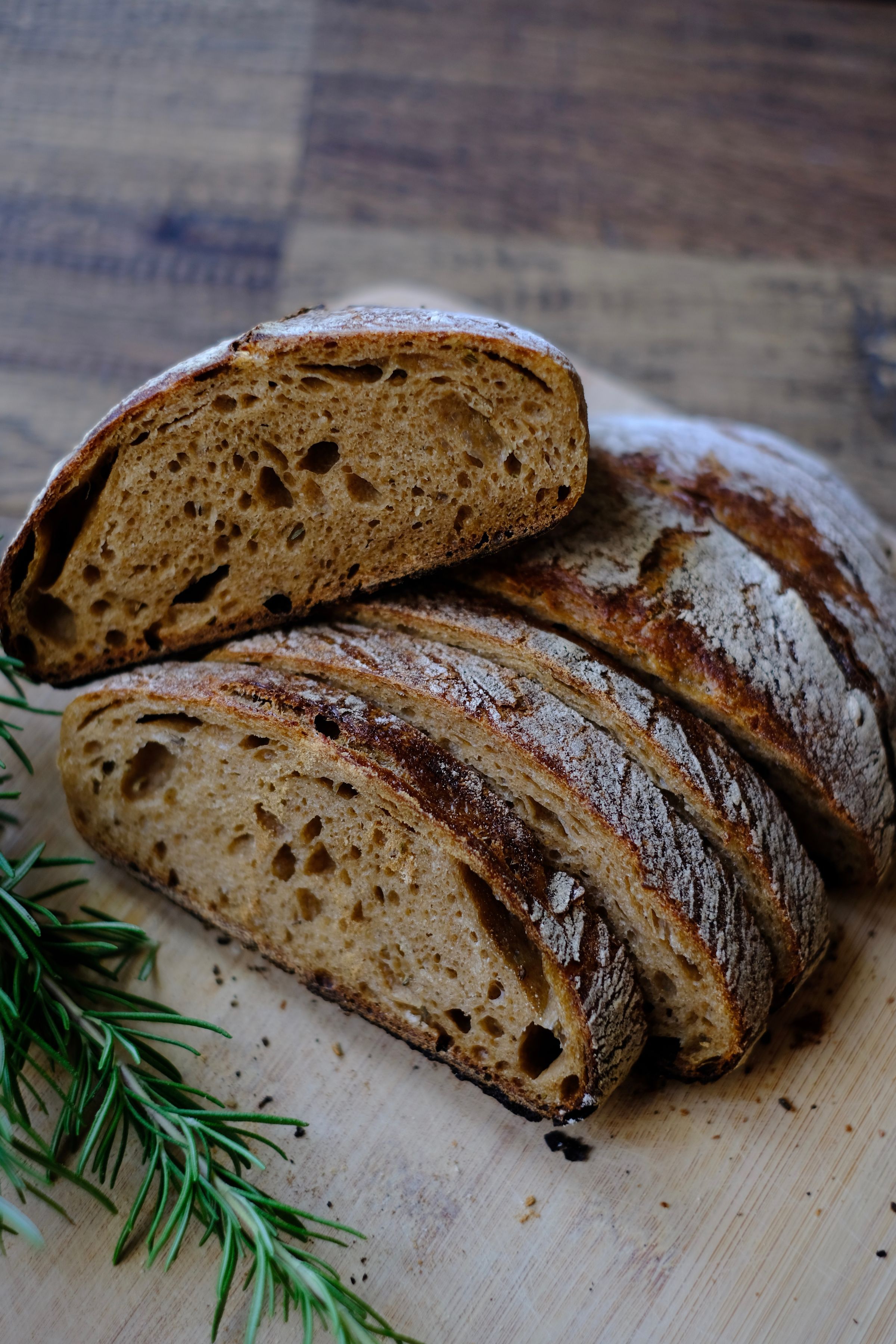
Bakery
Water handling and texture.
Our sourcing focus
Food-Grade Guar Gum E412 remains our primary product focus. SPANORIX also evaluates buyer-specific requirements for selected hydrocolloids, food texturizers and related functional ingredients.
Specification, availability and terms require supplier confirmation.
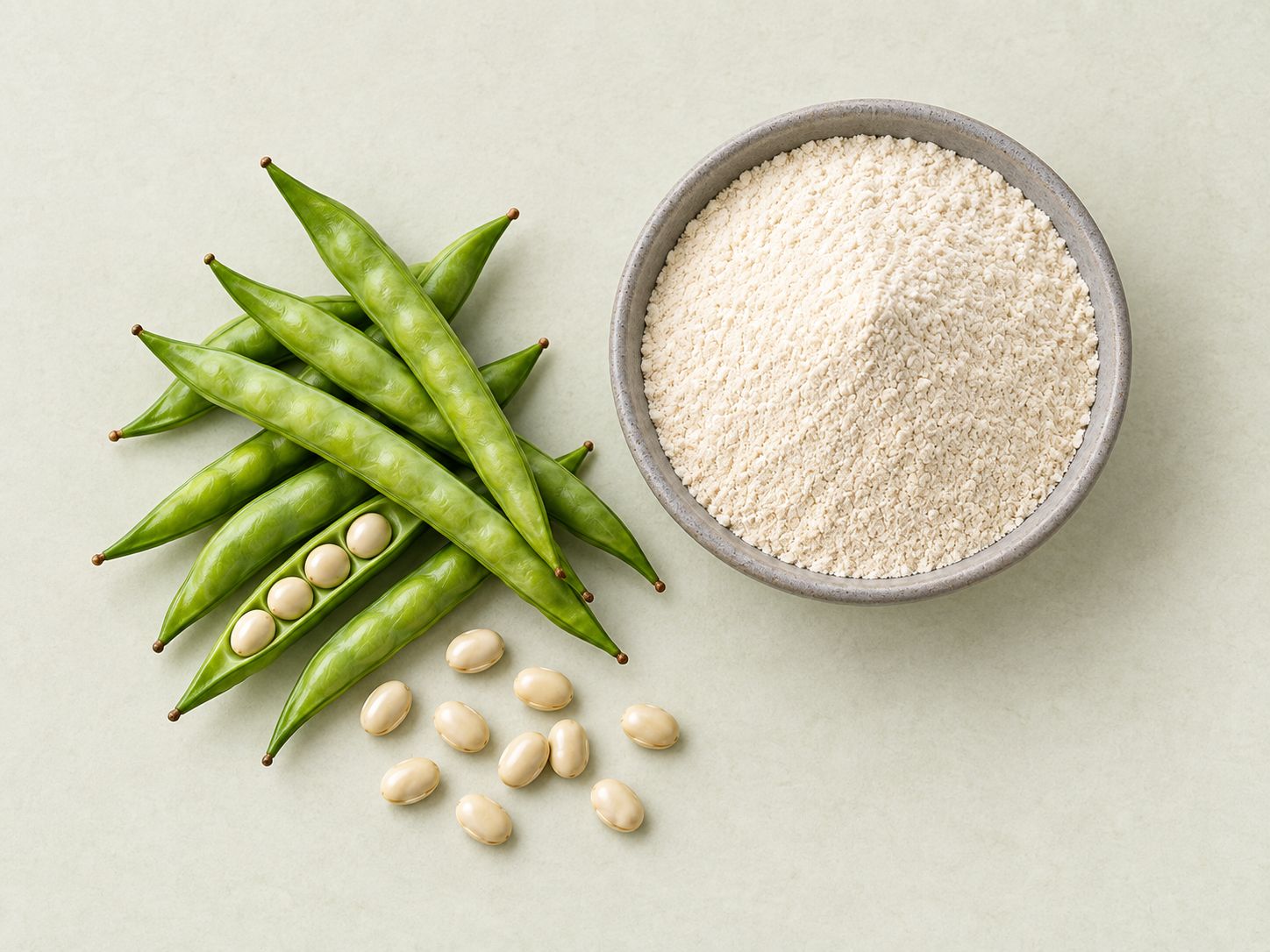
Other related food-ingredient requirements may also be evaluated where they fit SPANORIX's sourcing scope, buyer requirement and applicable regulatory framework.
Product listings indicate areas in which SPANORIX may evaluate sourcing opportunities. They do not imply stock, a fixed supplier, origin, grade, certification, MOQ or price.
The applications, specifications, documentation and technical references below concern Guar Gum E412 only.
Water handling and texture.
Texture and stability.
Viscosity and consistency.
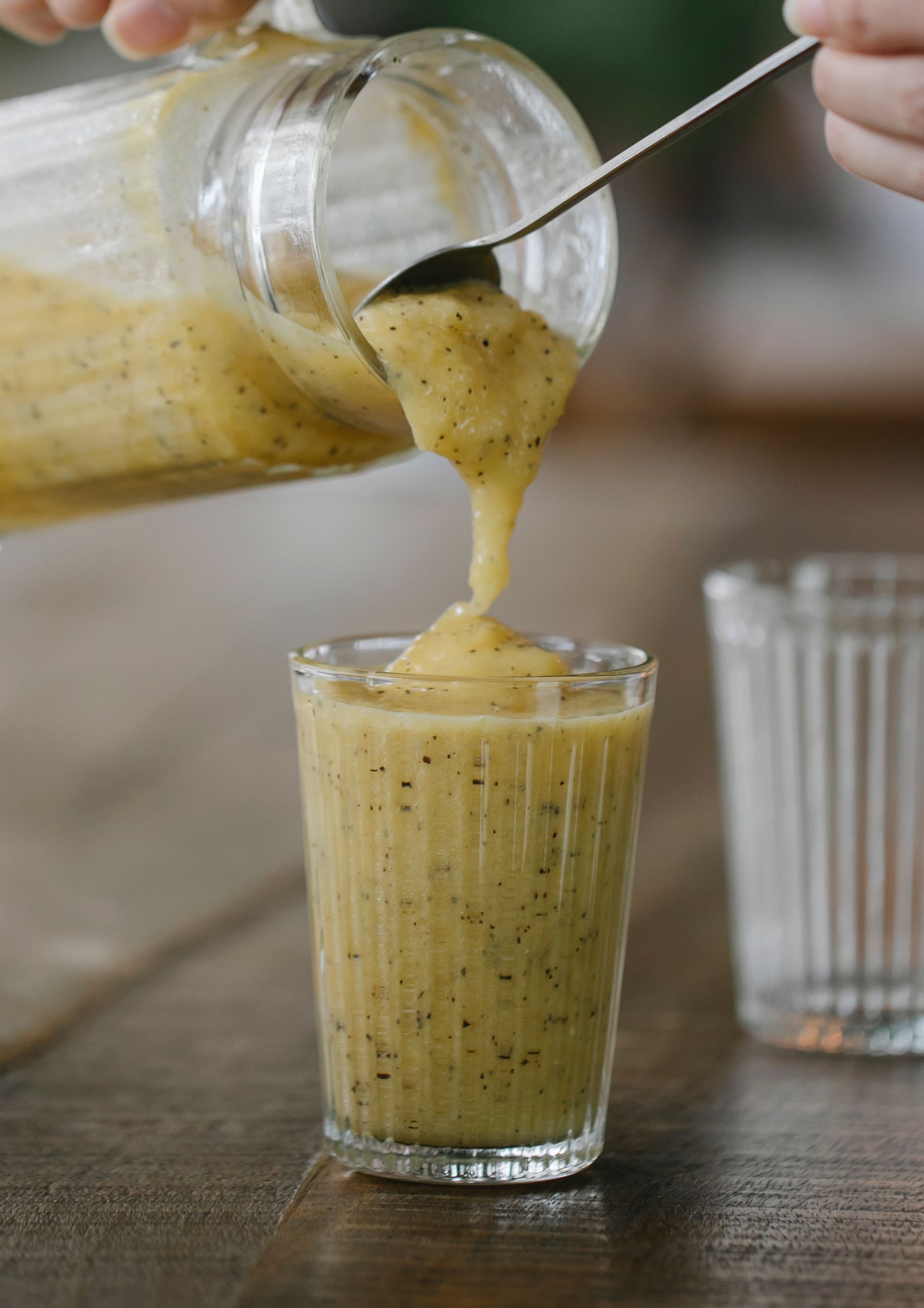
Application-specific texture.
Bakery: Consider the flour system, including gluten-free formulations, hydration, mixing and baking conditions.
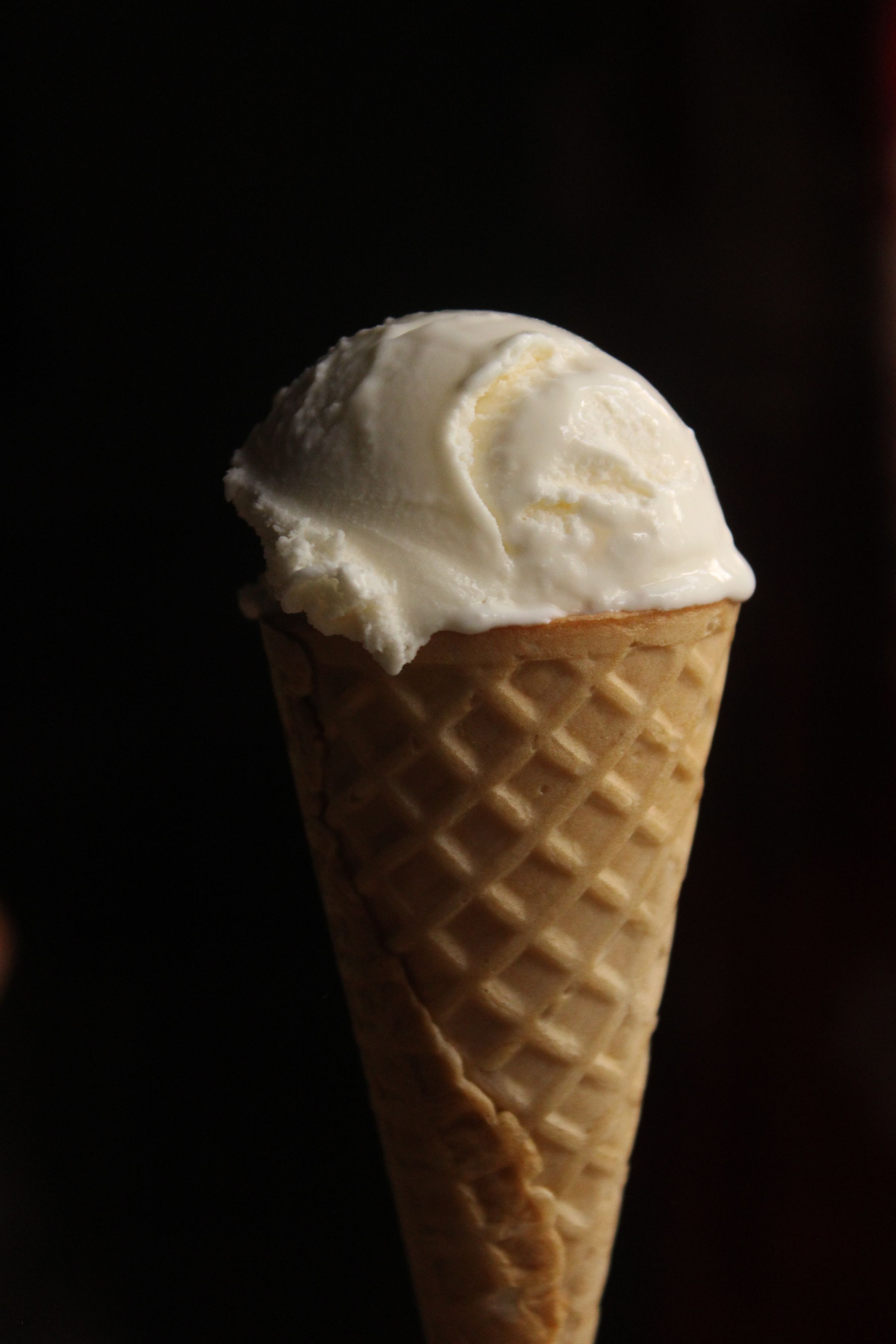
Dairy & frozen desserts: Review fat and protein content, heat treatment and freezing conditions in the intended formulation.
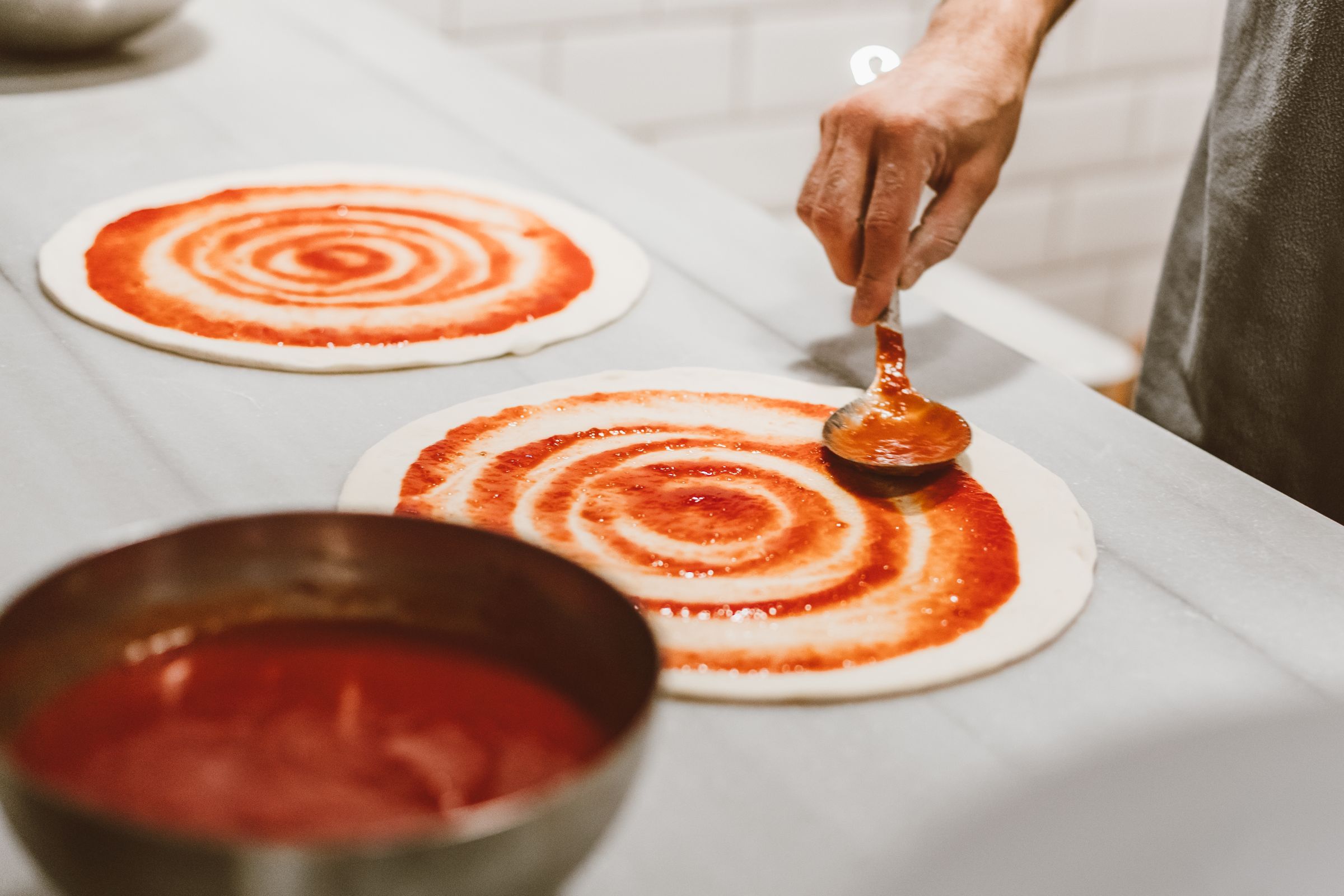
Sauces & dressings: Review pH, temperature, shear and the oil/water system against the intended texture.
Prepared foods & beverages: Consider mixing order, dispersion and hydration in the complete formulation and process.
Suitability and dosage require evaluation in the buyer’s formulation; no performance is guaranteed. Photographs illustrate application categories, not evidence of guar gum content or customer relationships. Photography credits
Start with the parameters relevant to your application.
| Food-grade E412 | Primary focus: Indian-origin guar gum powder. Grade, origin and availability require product-specific supplier confirmation. |
|---|---|
| Industrial grades | Buyer-specific enquiries only; no industrial grade or specification is confirmed as available. |
| Possible targets | Approximately 3,500 cps or 5,000 cps may be discussed only against an agreed complete test method and supplier confirmation. These are not guaranteed specifications. |
|---|---|
| Complete method | State concentration, medium, dispersion, hydration procedure and time, temperature, instrument, spindle or geometry, speed and reading point. Values from different methods may not be comparable. |
| Other targets | Provide the target or range and the available method. Undecided details may be identified as such in the enquiry. |
| Particle size | 100 or 200 mesh are possible discussion parameters, not confirmed options. Provide the required particle size and sieve/test method; supplier confirmation is required. |
|---|---|
| Identity / appearance | Identify relevant colour, odour and product-identity criteria. |
| Moisture / loss on drying | State the buyer limit and test method; product-specific confirmation is required. |
| pH | Provide the range and test conditions. |
| Ash / other criteria | Identify the required parameters, limits and methods for the application and destination. |
| Microbiology | Define total count, yeast/mould and any specified organisms, with limits and methods. Evidence must match the product, batch or sample and intended use. |
|---|---|
| Heavy metals | Identify elements, limits and methods required by the buyer or destination. |
| Pesticide residues / PCP | Define relevant scope and limits for the application and destination; discuss PCP where relevant. |
| Allergen / GMO statements | State the declarations needed. Product relevance and issuer confirmation must be checked. |
| Packing | Specify format, size and labelling needs; subject to supplier confirmation. |
|---|---|
| Quantity / MOQ / capacity | Provide quantity, unit and trial or repeat context. No fixed MOQ or production/supply capacity is claimed. |
| Timing | Lead time depends on product, packing, documentation, supplier and logistics confirmation, and transaction readiness. |
| Delivery / terms | Provide destination and timing. FOB Indian port or CIF destination port may be discussed for the specific transaction; freight, terms and applicable export formalities require confirmation. |
Documents come from the relevant issuer, not SPANORIX.
Align the specification with the buyer requirement. Check issuer and scope, match sample or batch identity where evidence exists, and review document version and validity.
| Document | Issuer / source | Scope |
|---|---|---|
| COA | Manufacturer / laboratory | Batch and results |
| TDS | Manufacturer | Product specification |
| SDS | Manufacturer / issuer | Safety information |
| Lab report | Testing laboratory | Sample / test |
| Certificate | Certification body | Scope / validity |
Match issuer, product identity, batch or sample reference, test date and method. Samples and reports support a specific assessment; one sample does not establish later-batch consistency. Independent testing may be discussed where needed.
The buyer’s application, destination, import requirements and documentation scope need separate review. General E412 references do not establish product, supplier or destination compliance. Recheck current rules before a regulatory decision.
General additive identity and reference record. It is not a SPANORIX product specification or evidence for a commercial batch.
Last reviewed: 19 July 2026.
Current specification linked first by the FAO/JECFA additive record. It superseded the 2006 tentative specification; supplier-issued product and batch evidence must still be reviewed separately.
Last reviewed: 19 July 2026.
General INS 412 functional classes and Codex provisions. It is not a destination-specific approval or product-compliance claim.
Last reviewed: 19 July 2026. Recheck the current source, later scientific work, application dates, transitional provisions and consolidated destination law for the intended food and market.
EFSA's 2017 scientific opinion. It is general regulatory evidence, not a statement about a SPANORIX product or supplier.
Last reviewed: 19 July 2026. Recheck the current source, later scientific work, application dates, transitional provisions and consolidated destination law for the intended food and market.
EFSA's 2024 scientific opinion and follow-up. It does not establish compliance for a supplier, product, batch or intended use.
Last reviewed: 19 July 2026. Recheck the current source, later scientific work, application dates, transitional provisions and consolidated destination law for the intended food and market.
Official amending regulation covering specified food-additive uses and specifications, including E 412. It is not an EU-compliance claim for SPANORIX or a product.
Last reviewed: 19 July 2026. Recheck the current source, later scientific work, application dates, transitional provisions and consolidated destination law for the intended food and market.
General identity, specifications and regulatory context only; not evidence for a SPANORIX product or commercial batch.
Company, application, product/grade, quantity, destination and timing. Include target viscosity with its test method, mesh, packing and documentation needs where known. Identify undecided parameters so they can be clarified.
Against the specific buyer requirement and relevant supplier confirmation. Specification, documentation, MOQ, packing, lead time and commercial terms are agreed for the enquiry; no stock or supply commitment is implied.
Guar gum is primarily the ground endosperm of guar seeds, used as a hydrocolloid. E412 identifies the food additive; it is not a certification or a guarantee of suitability for every food or market.
Illustrative product overview
A simplified view of the typical process from the guar plant to the finished powder. Exact processing methods vary by producer and product specification.
Guar beans develop in pods on the guar plant.
Mature pods contain the seeds used to produce guar gum.
Seeds are processed to separate the germ from the gum-bearing portion.
The husk is removed, leaving the endosperm used for guar gum.
The endosperm is milled and screened into guar gum powder.
The resulting powder is assessed against the required grade, specification and intended application.
Technical reference for seed and endosperm processing:FAO/JECFA guar gum specification